






















Challenges for pure battery electric buses in arctic weather


What are the factors affecting the operation of pure battery electric buses in extremely cold environments?
Arctic weather affects driving range for pure electric buses
In extremely cold and low temperature environments, the operation and range of pure electric buses are faced with severe challenges. Battery performance is adversely affected. Temperature needs to be adjusted to ensure passenger comfort, but the heating system requires more energy consumption and ultimately affects the driving range.
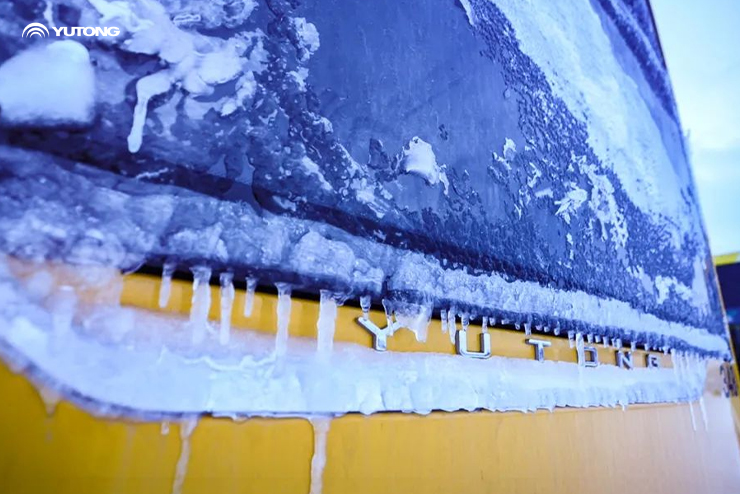
Arctic weather affects charging efficiency for pure electric buses
Under extremely cold conditions, charging facilities may be affected by freezing and icing, which decreases charging speed or even induces fault. Charging efficiency will also be affected as a result of prolonged charging time and energy consumption. The reliability and efficiency of charging facilities are also faced with challenges.
Arctic weather affects reliability for pure electric buses
Extremely cold weather imposes extra challenges on mechanical components, which are prone to damages, performance and durability drop.
How does Yutong pure electric bus meet the challenges of arctic weather?
How does Yutong keep the battery at a suitable working temperature?
Yutong adopts an integrated battery thermal management system. It meets the fast heating demand at -40°C by using a high-efficiency battery liquid heater and matching suitable heating power. Besides, to ensure battery work within an appropriate temperature range, Yutong improves the thermal conductivity of the heat-conductive adhesive in the battery pack, reduces the thermal resistance between the cell and the cooling plate, and sprays thermal insulation materials at the bottom of the pack.
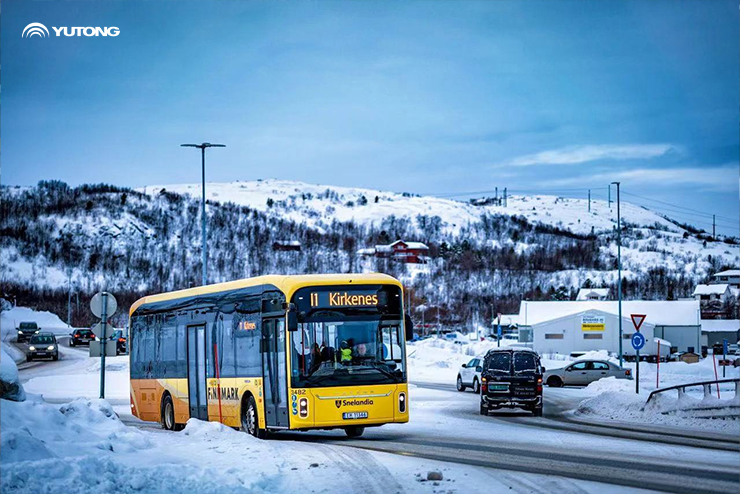
How does Yutong pure electric bus ensure the passenger comfort?
Yutong has made an effort in vehicle heating. Yutong buses are equipped with a low-temperature heat pump air conditioner and an efficient auxiliary heating system. It quickly warms up the vehicle, largely reduces energy consumption, and therefore prolongs battery lifespan. The design, an ideal solution for balancing all aspects, combines passenger comfort with energy efficiency.
How does Yutong pure electric bus guarantee reliability and stability?
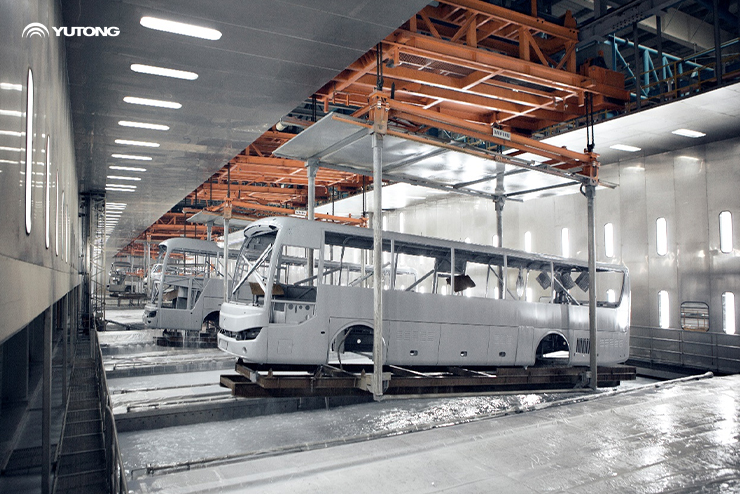
Yutong adopts enhanced anti-corrosion technology in the core components such as bearing structure, chassis frame, and the bottom area prone to corrosion. The technology prevents structural corrosion for vehicle whole life cycle. The comprehensive chassis armor protects key components from tear and wear under severe road conditions, meeting the operation requirements and protecting the passenger safety in arctic regions.
In extremely cold and low temperature environments, Yutong pure electric buses has a set of comprehensive and innovative solutions including adoptions of high-power liquid heating, optimization of heating system and enhanced charging environment. It not only solves the problems of range and passenger comfort, but also improves the reliability and stability of vehicles. With continuous technological innovation, Yutong pure battery electric bus will perform better in extremely cold and low temperature environments in the future.
Previous News
-

August 10, 2026
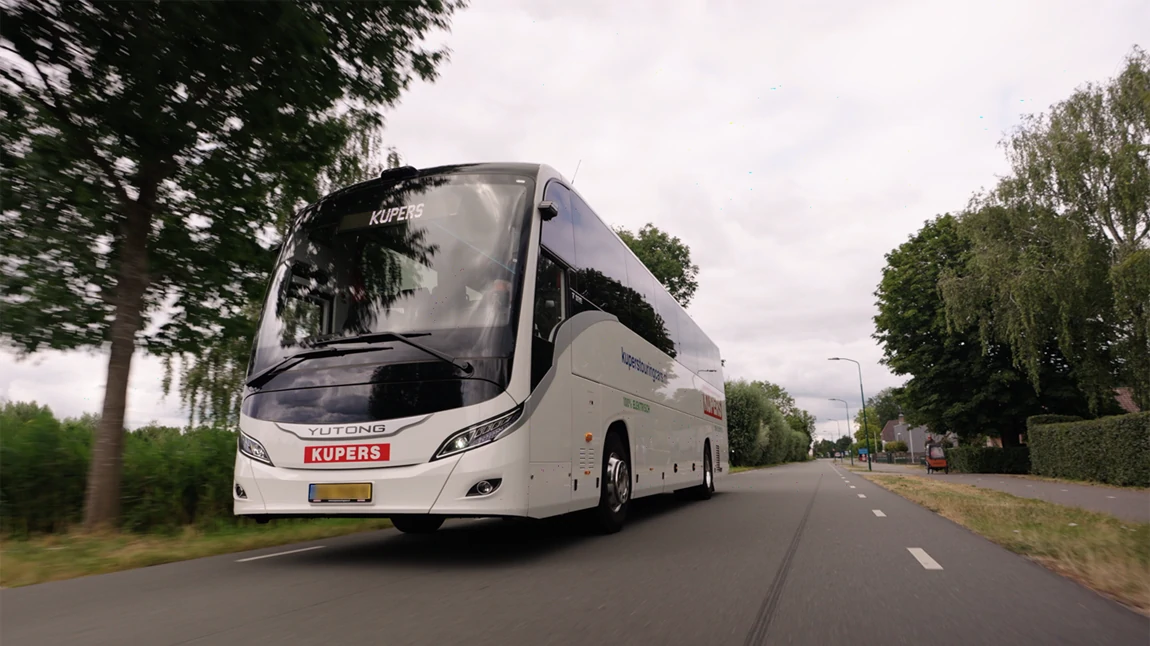
Customer Voices | Reliable Range, Superior Ride Comfort: Yutong T Series & IC Series Win Acclaim Among Dutch Clients -
July 31, 2026
Gather in Yutong, Connect the World, Grow Hand in Hand with Our Global Workforce -
July 29, 2026
Operating in 206 cities, Yutong hybrid buses have won global market recognition through real-world operation

Subscribe Now
Get updates you care about.
Submit