


























What Is Yutong EV Long-Life Tech?


Fleet managers worldwide face three persistent challenges with electric buses.
· First, the driving range is erratic and fails to meet daily route demands.
· Second, the electric vehicle battery lifespan degrades fast, and mid-life battery replacement costs are high.
· Third, used electric buses hold poor resale value, and battery recycling is difficult and costly.
These three pain points increase the total cost of ownership and make fleet electrification a harder decision than it should be.
At Yutong, we understand your concerns. Based on this, we have launched Yutong EV Long-Life Tech to effectively address operational pain points.
What Is Yutong EV Long-Life Tech?
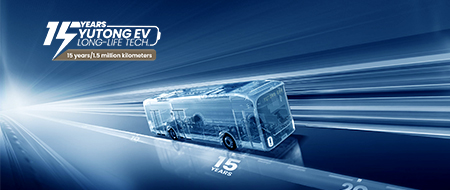
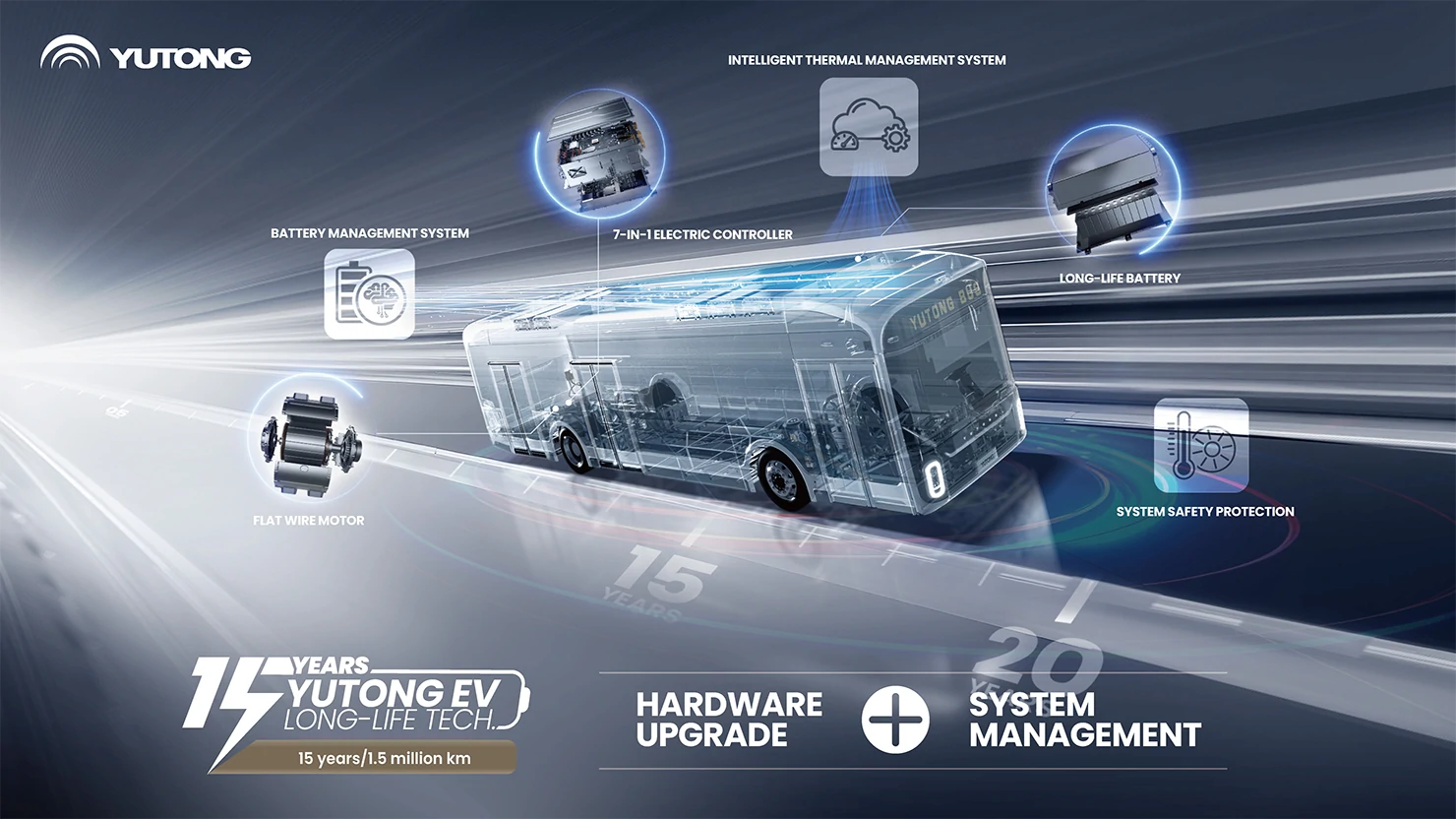
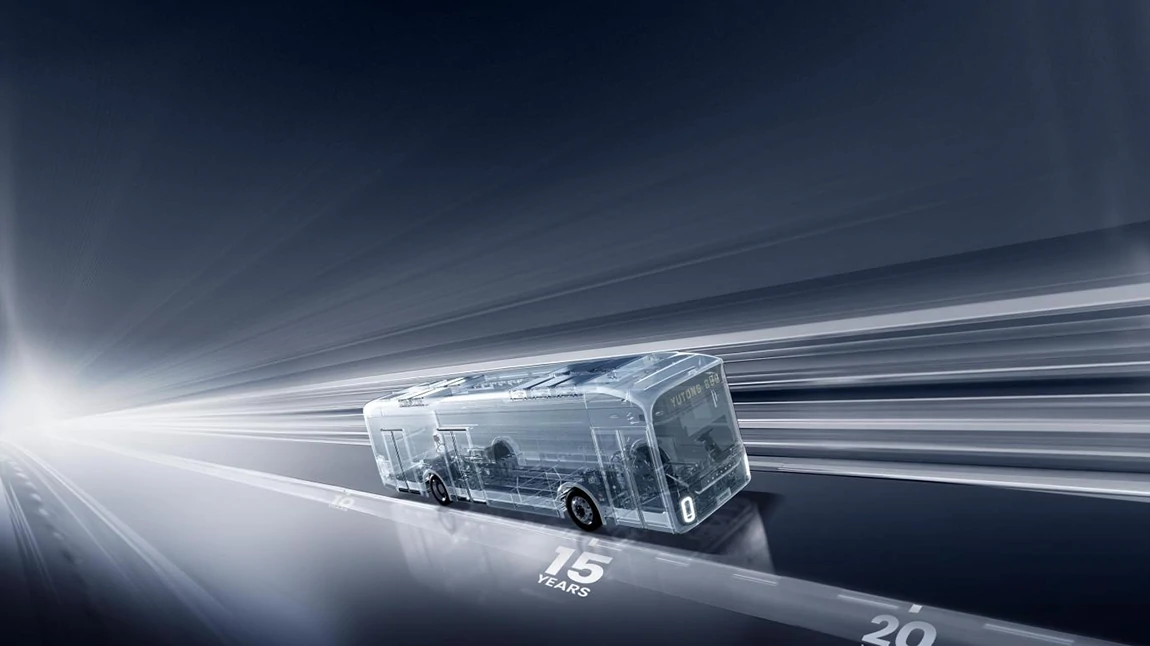
Yutong EV Long-Life Tech is a comprehensive engineering approach designed to make the battery, motor, and electric control system last as long as the bus itself. The target is 15 years or up to 1.5 million kilometers, with no mid-use component replacements needed.
The technology works through two integrated pillars: hardware upgrades and system management. Together, they create a comprehensive approach to EV battery lifecycle management.
Pillar One: Hardware Upgrades
The hardware upgrades target the three core components: the battery, the motor, and the electric controller.
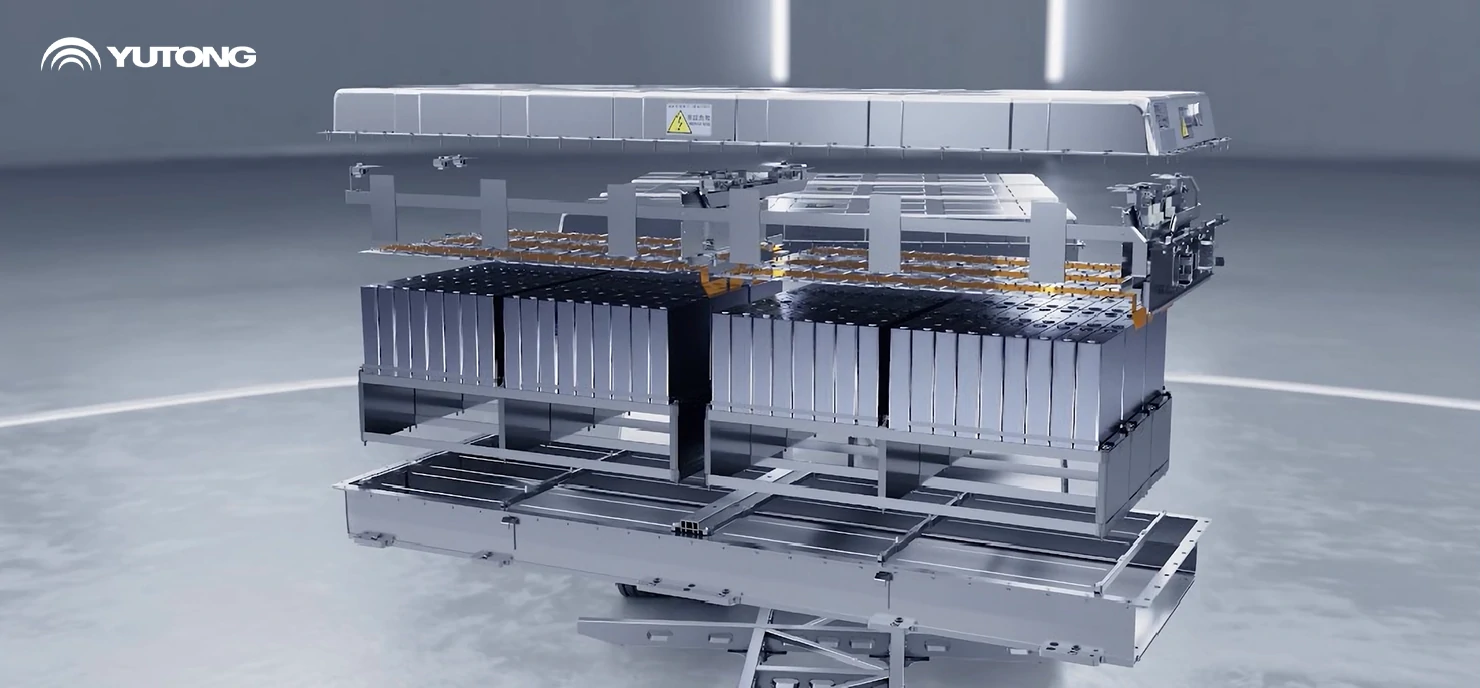
1. Long-Life Battery
At the heart of the system is an advanced electric bus battery engineered for extreme durability. This long-life battery achieves over 10,000 charge-discharge cycle (more than 50% longer than conventional EV batteries) with a high energy density of 175 Wh/kg.
Additionally, the battery system demonstrates strong resistance to corrosion, high temperatures, and high humidity. This means the battery delivers safe and reliable performance whether the bus operates in the heat of the Middle East or the wet winters of Northern Europe.
2. Flat Wire Motor
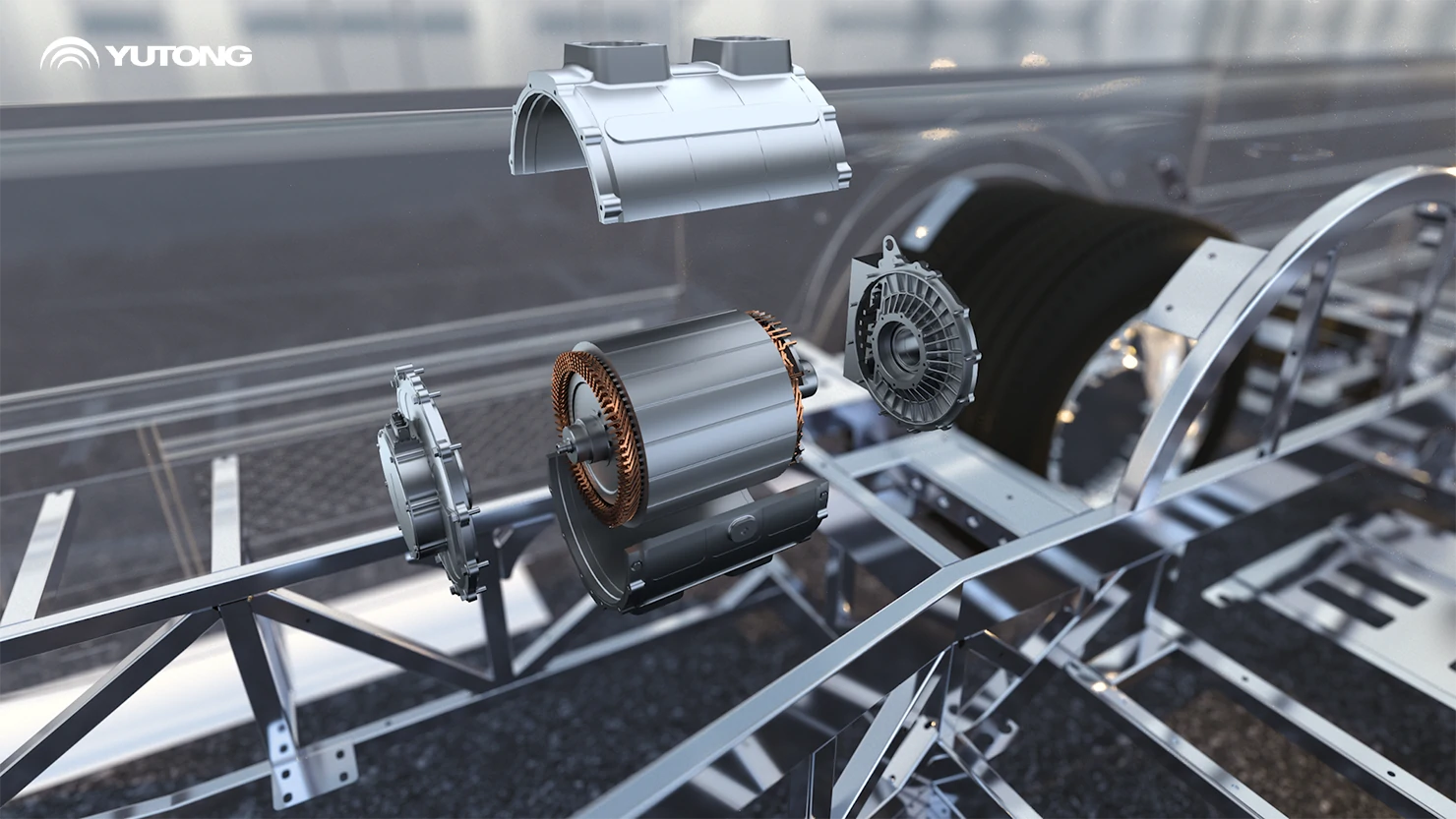
The flat wire motor is another major hardware innovation. It is the industry-first 8/10-layer hair-pin flat wire motor. Traditional round-wire motors leave air gaps inside the stator slots, which reduces efficiency and accelerates wear. The flat wire design increases the slot filling rate from 40%-50% to 65%-75%. This means more copper, less heat, and significantly better performance over time.
The flat wire motor also achieves up to 98% peak efficiency. For fleet operators, this translates into lower energy consumption per kilometer and fewer drivetrain maintenance events across the fleet lifetime.
3. Seven-in-One SiC Electric Controller
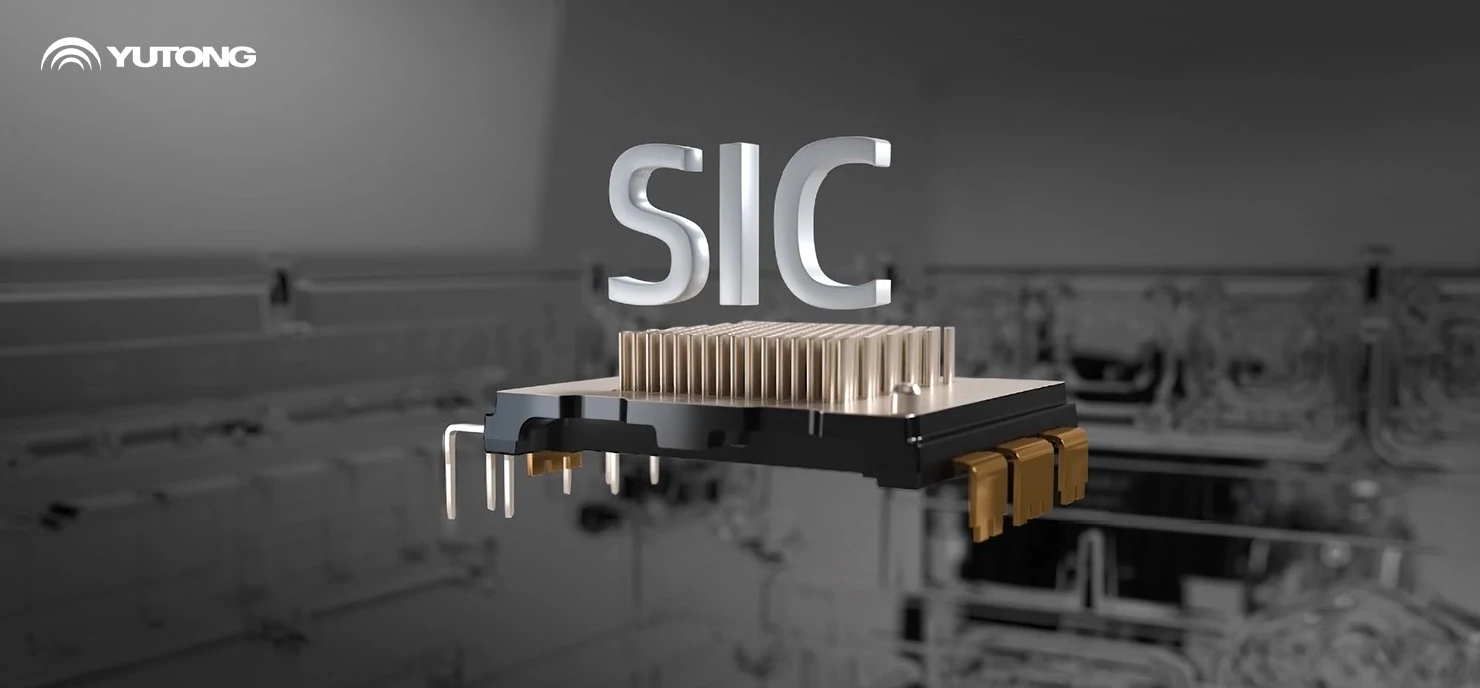
The third hardware upgrade is the 7-in-1 Silicon Carbide (SiC) electric controller. Motor controller, steering, air compressor controller, electrical accessory power distribution, vehicle DC/DC converter, charging circuits, and insulation detection are consolidated into one compact system. It reduces overall volume and weight by 40% and cuts the number of high-voltage connectors from 32 to 17, approximately a 50% decrease. This significantly reduces the failure rate.
Furthermore, the SiC semiconductor technology pushes controller efficiency up to 99.8% and expands the high-efficiency operating range by 7% compared to the previous generation. The controller also meets high protection standards for dust, moisture, and vibration — conditions that buses face every single day.
Pillar Two: System Management
The future of EV batteries lies not just in better cells. At Yutong, we deploy three layers of intelligent system management to protect and extend the performance of every component.
1. Battery Management System Strategy
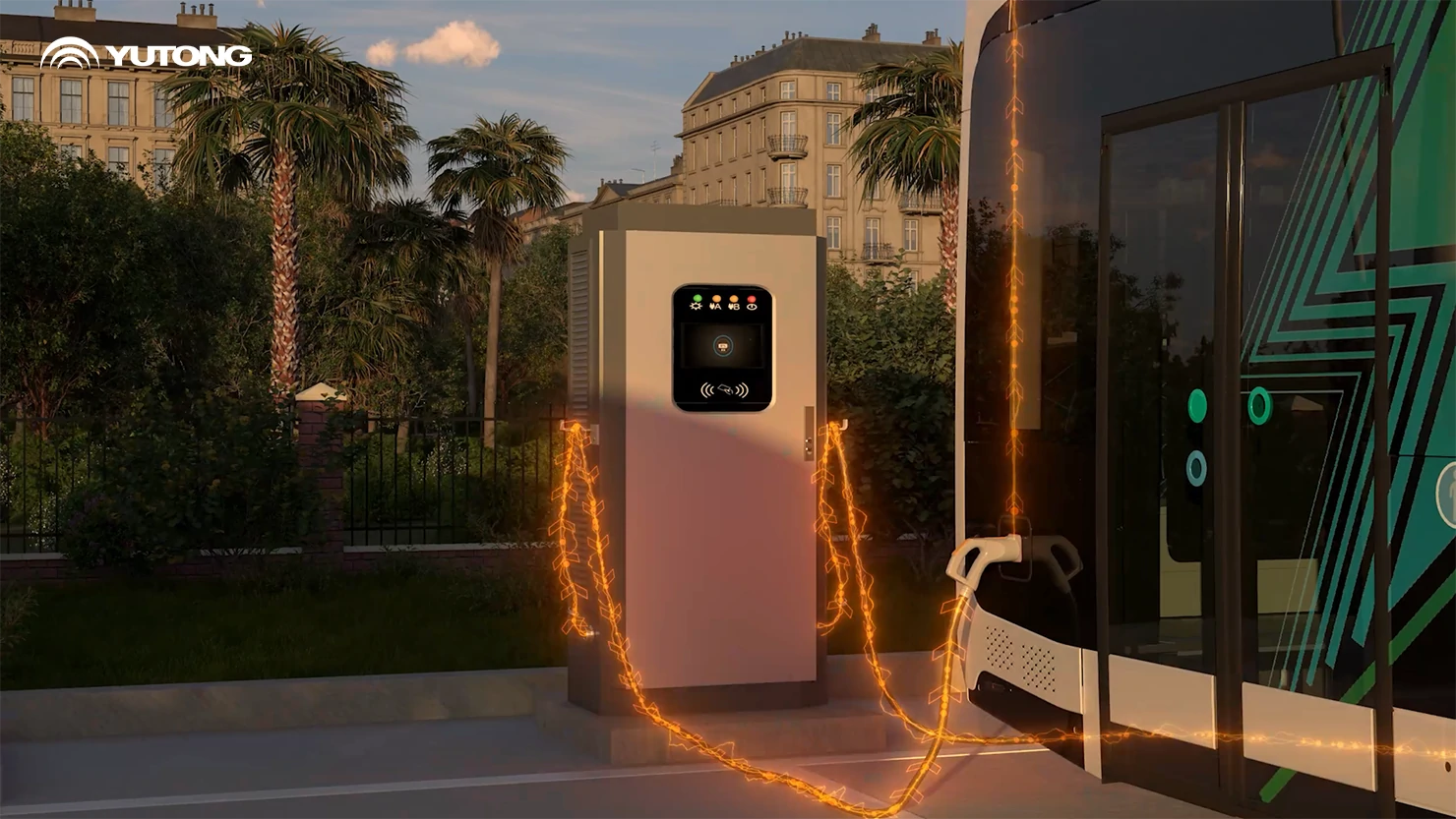
The BMS employs lifecycle-optimized control strategies to actively mitigate battery degradation. It enables tiered intervention for uncontrolled charging and abnormal charging conditions, including user alerts, current derating, and enforced shutdown when necessary. It also features a multi-scenario SOC intelligent calibration algorithm for automatic deviation correction.
2. Intelligent Thermal Management System
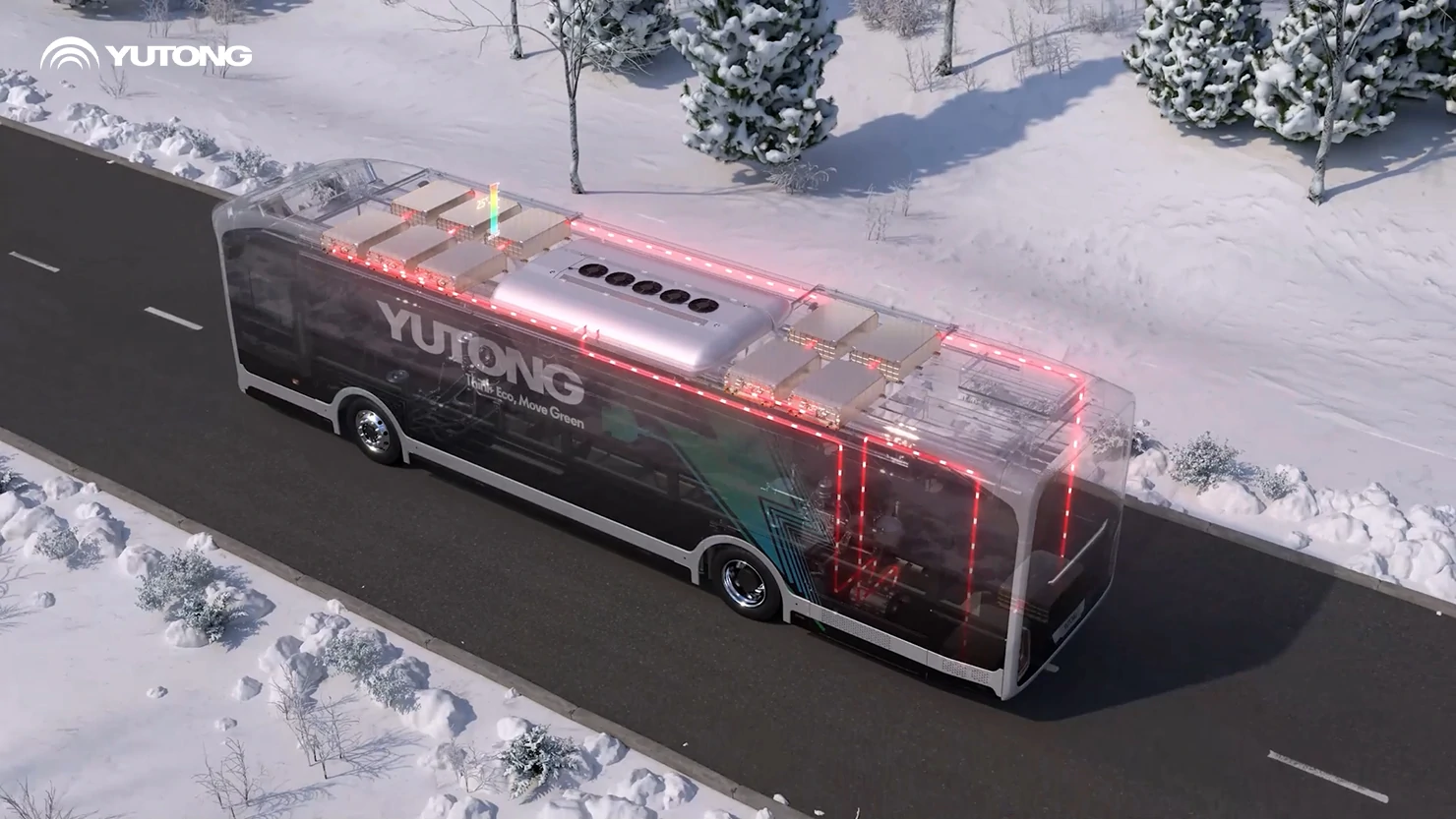
Temperature is one of the critical factors affecting electric vehicle battery lifespan. Excessive heat accelerates battery degradation, while cold temperatures reduce the available range. Yutong's intelligent thermal management system uses an adaptive strategy and multi-source integrated technology to keep core components within a stable, healthy temperature range across a wide range of ambient conditions.
3. System Safety Protection
Yutong takes a whole-vehicle approach to safety. The protection framework runs from the battery cell level up to the full vehicle structure, and includes the industry-first nitrogen protection system, the three-layer “sandwich” fire-resistant isolation structure, and comprehensive collision protection. This layered design reduces the risk of battery thermal events and protects both passengers and the asset itself.
How Yutong EV Long-Life Tech Tackles Industry Pain Points
The three hardware upgrades and three system management layers work together to address each of the core challenges fleet operators face. Taken together, these improvements reduce the total cost of ownership by 4–5%, giving fleet operators a measurable financial return over the full service life of the bus.
Erratic range is resolved by the flat wire motor’s 98% peak efficiency, the SiC controller’s 99.8% conversion rate, and thermal management that keeps battery capacity consistent across seasons and climates. Operators get a predictable range every day.
High battery replacement costs are eliminated because the long-life battery and BMS strategy extend the electric vehicle battery lifespan to match the vehicle’s full service life. There is no need for a mid-life swap. This also means the vehicle can retain its value throughout its operational life.
Conclusion
Yutong EV Long-Life Tech is a direct answer to the problems that have slowed electric bus adoption in transit fleets around the world. With a long-life electric bus battery, a flat wire motor, a 7-in-1 SiC controller, and three layers of intelligent system management, Yutong is making eco-mobility a reality.
Contact us today if you are looking for lower TCO, predictable operations, and a better return on EV investment.
Previous Industry-insights



Subscribe Now
Get updates you care about.
Submit